

Practice pace is escape velocity
In a learning process, the practice pace is escape velocity – it allows you to escape the gravitational pull of embedded but outdated ways of doing things, lack of efficiency or efficacy, other people’s fights with themselves and others, generational burdens that were never yours to carry.
For your practice pace to be escape velocity you first need to really DO things differently. Knowing is one thing. Doing is something else. I can’t speak for everyone, so I’ll say it in first person – I get paid for what I do – for the value I create through my actions. Not for what I know. If any of you knows how to be paid for what you know as opposed to what you do, please share – I’m all ears.
Of course, you need to know so you can do. The problem is that most adults that I meet in training tend to overlook the importance of doing / practising for the goal of achieving a new level of a skill and the importance of the practice pace.
The one thing most adult participants that fall off the practice track miss is the connection between existing behaviours and how important small changes are. No behaviour happens in a vacuum. They are all the result of existing values, beliefs, attitudes, choices (more or less conscious), environment conditions etc.
In training, when the topic allows, I propose a short game – with blue and red ropes – illustrating old and new behaviours. At a point in the exercise I say (word for word) „Please pay attention because there will be a change”. I then pull on the ropes.
100% of the time, a lot of the participants resist – white knuckles and everything. You would think we were in a fighting class. The automatic response I trigger with „please pay attention to the change that is about to happen” is mostly resistance. And this from people who were willing enough to show up for a learning experience!
The ability to sustain the necessary practice pace to do things differently for it to become the new standard way is escape velocity for your behaviour from hindering current habits. It is a form of change, and our brain naturally wants to default to its deeply ingrained, comfortable patterns (gravitational pull). Your practice pace and focus have to achieve a critical threshold of intensity and consistency to break that pull.
The cost? Achieving escape velocity requires a certain amount of energy, in a defined time frame and is weather (environment) dependent.
How much energy?
The answer depends on – how „heavy” you are in terms of what you need to keep, carry, conserve for the trip, how powerful the gravitation is, what is the distance you need to cover and how much (please read little) time you have.
Also, it’s important to check if there are any other gravitational fields near by that you could use to your advantage – existing strong skills of yours or someone else’s skills (nearby, accessible role model).
What are the weather conditions needed? What if they are not available?
If we keep to the topics of practice pace needed to acquire / develop a set of skills, the environment is a matter of individual, team and organisational leadership. You need to set yourself up for success. You want to learn to drive a tractor, you need to make sure you have enough practice opportunities.
Do the participants in training X have enough practice opportunities available in their teams/ projects/ department to train X?
How about when its more of a soft skill?
For consultative selling you need prospects and clients to have selling type conversations. How you lead those conversations is up to you.
For leading with a coaching mindset, you need to have conversations you may lead. Out of those, it’s up to you to decided which ones you could start with a coaching-type approach or which ones you can redirect mid-session. Please, do not coach when the person in the situation requires training or mentoring, or supervising – it’s dangerous, confusing and counter-productive.
As adults, it is our responsibility to make sure we have the practice opportunities needed to achieve the practice pace that we need to enhance our skills. Anything below escape velocity will result in you getting back to where you started.
What’s with the limited time frame?
If you want to achieve a higher level of any skill, the practice needs to happen in a rather specific time frame. In sports, the time frame is the competitions calendar – local championships, nationals, the Olympics.
In business and in life the time frame is probably something within the range of 1 – 3 – 9 months for the ramp up with ongoing continuous practice after that.
Just right
Another way to understand that practice pace is escape velocity is to remind ourselves that partial effort (low volume or low intensity) in practice often results in zero net progress. You burn fuel but stay on the launchpad or you have an explosive spark with no sustained lift. You either practice at the volume and intensity required to permanently change your baseline, or you drop back down to your old habits.
Both our mind and our body are inherently conservative. They will not change unless they are absolutely required to. Deliberate practice at the right pace is a requirement.
Micro-practice take away:
Either as an organiser or a participant, next time you will consider organising/ attending a training, ask yourself: do the participants have sufficient practice opportunities to achieve escape velocity?
If no, go back to the drawing board – which might mean that you need to:
a) clarify the practice opportunities, if they exist
b) identify and communicate the practice opportunities
c) redesign the training to fit real needs not just aspirations/ trends
Is yes, are they willing to practice at the needed pace?
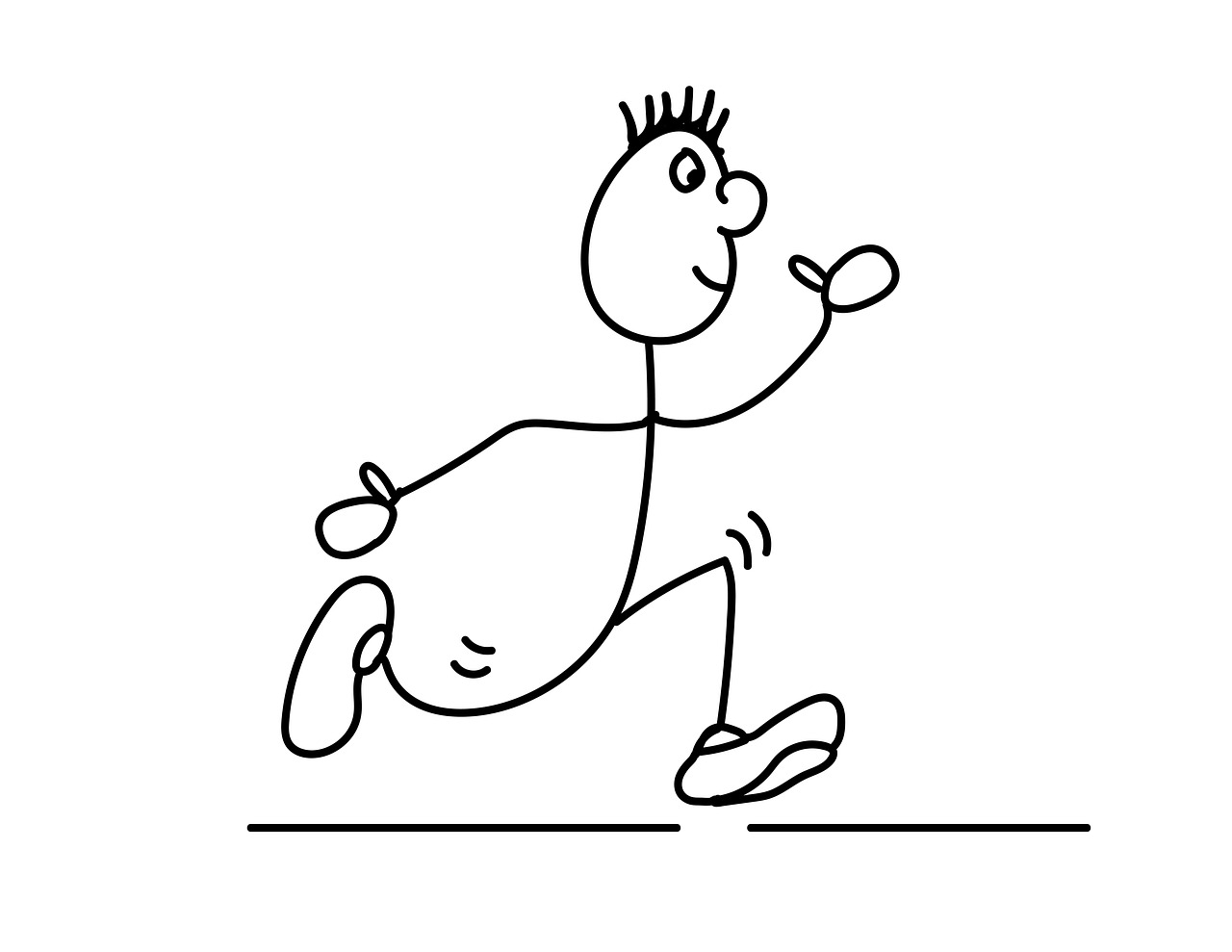
Image by Alexandra_Koch from Pixabay
Alte articole
-
Un începător și un expert
14 iulie 2026 -
Cum știi că nu știi?
24 iunie 2026 -
Așteptări despre învățare și alte nevoi
26 mai 2026 -

Majorat în rol profesional
15 august 2025 -

School mai mult decât Tech
22 februarie 2022